


Chronic Pain




Medical cannabis treatments for glaucoma
Glaucoma refers to a group of common eye diseases caused by damage to the optic nerve. Estimated to affect over one million adults in the UK, the condition is one of the leading causes of irreversible blindness worldwide.
Medical cannabis may be prescribed as an additional treatment for glaucoma for patients to take alongside the more conventional options, to help manage associated symptoms like eye pain, headaches, sleep disruptions and anxiety.
1.1 million
people in the UK are estimated to be living with glaucoma
1 in 10
Over 40%
of UK glaucoma patients experience preventable vision impairment due to delays in treatment
97%
of prescribed medical cannabis patients report experiencing an improved quality of life
Symptoms
Anxiety
Blurred vision or rainbow-coloured circles around bright lights
Feeling and being sick
Headaches
Intense eye pain
Low mood and depression (long-term)
Red, tender eyes
Sleep disturbances
If you develop any of these symptoms, it's important to seek tailored advice from a medical professional as soon as possible.
Treatment options:
If you have glaucoma, there are several treatment options available to help relieve symptoms during a flare-up and prevent further potential flares. These include:
Adrenergic eye drops
Allopurinol
Beta blocker eye drops
Carbonic anhydrase inhibitor eye drops
Dietary changes
Prescribed medical cannabis
Prostaglandin analogue eye drops
Regular monitoring (visual field tests, OCT scans)
Selective laser trabeculoplasty (SLT)
Trabeculectomy surgery
Join our growing community of over 240,000 people
Whether you’re new to cannabis-based medicines, switching from another medical cannabis clinic, or self-medicating, we’ll put you back in control of your health.

Condition Peripheral Neuropathy
Subscriber 2 years

Condition Anxiety & Depression
Subscriber 2 years
Condition Depression
Subscriber 2 years

Condition Chronic Pain
Subscriber 3 years

Condition Restless Legs Syndrome
Subscriber 2 years
Condition Insomnia
Subscriber 2 years
Condition Depression
Subscriber 2 years

Condition CRPS
Subscriber 2 years

Condition Adjunctive Cancer Care
Subscriber 2 years

Condition Ehlers-Danlos Syndrome
Subscriber 2 years

Condition Insomnia & Chronic Pain
Subscriber 2 years

Condition ADHD
Subscriber 2 years
Condition Endometriosis
Subscriber 2 years

Condition Chronic Pain
Subscriber 2 years

Condition Low Back Pain
Subscriber 2 years

Condition Arthritis
Subscriber 2 years

Condition ADHD
Subscriber 2 years

Condition Anxiety & ADHD
Subscriber 2 years

Condition Chronic Pain
Subscriber 2 years
Condition Anxiety & Depression
Subscriber 2 years
Condition Chronic Pain
Subscriber 2 years
Condition Endometriosis
Subscriber 2 years
Condition PTSD
Subscriber 2 years

Condition Fibromyalgia
Subscriber 2 years
A word from our specialist
“Glaucoma represents a group of eye diseases that require careful, ongoing management.
Many patients I speak to will often feel incredibly worried about their future, particularly due to the potential risk of irreversible vision loss the condition can lead to without treatment. That’s why it’s so important for glaucoma to be managed under specialist care, on a patient-by-patient basis.”

Dr Maria Knobel
General Practitioner

Articles on Glaucoma


08. 01. 2025
Seeing the possibilities: Glaucoma and medical cannabis treatments
January is Glaucoma Awareness Month - a time to raise awareness and support for those living with glaucoma, the world’s leading cause of blindness.
08. 01. 2025
05. 07. 2023
Can CBD help manage the symptoms of glaucoma?
Cannabidiol (CBD) is one of the 113 cannabinoids so far isolated from cannabis. Whereas tetrahydrocannabinol (THC) is psychoactive, CBD is totally non-intoxicating – with studies showing both these two big names in the cannabinoid sphere offering possible medicinal value.
05. 07. 2023
04. 08. 2023
Can medicinal cannabis help sufferers of glaucoma?
While there are many causes that can lead to the development of glaucoma, and diagnosis is never straightforward, it involves damage to the optic nerve, with most cases linked to high pressure within the eye (intraocular pressure). This is usually caused by a fluid build-up that increases pressure within the eye coupled with inflammation, which can damage the optic nerve.
04. 08. 2023
Can medical cannabis treatments help the symptoms of glaucoma?
Glaucoma is a progressive eye condition caused by damage to the optic nerve, the main nerve that connects the eye to the brain. Medical cannabis can’t treat glaucoma itself, but may help to relieve certain associated symptoms, such as mental health and sleep-related issues.
What is glaucoma?
Glaucoma is the name given to a group of eye diseases that damage the optic nerve.
In most cases, this damage is caused by a build-up of fluid in the front part of the eye, which increases the pressure inside it. This is known as intraocular pressure, or IOP for short.
Over time, having an increased level of IOP can slowly damage the optic nerve fibres, resulting in a wide variety of symptoms. From eye pain to headaches, glaucoma typically affects both eyes, but may feel worse in one over the other.
The damage from the higher IOP can't be reversed either, which is why glaucoma is one of the leading causes of irreversible blindness worldwide.
It's a fairly common condition here in the UK as well, affecting around 1.1 million people and 11% of people aged 75 years and over.
That’s only known cases of it too, as researchers estimate that more than half a million people could have it but remain completely undiagnosed.
With all this in mind, you are more at risk of developing glaucoma if you:
-
are over 40 years old
-
have a family history of glaucoma
-
are of Black African, Caribbean or Asian origin
-
have been diagnosed with another health condition, such as diabetes, long-sightedness or short-sightedness
While there's currently no cure for glaucoma, getting it diagnosed earlier and having the right treatment plan in place can help slow its progression and protect your remaining sight.
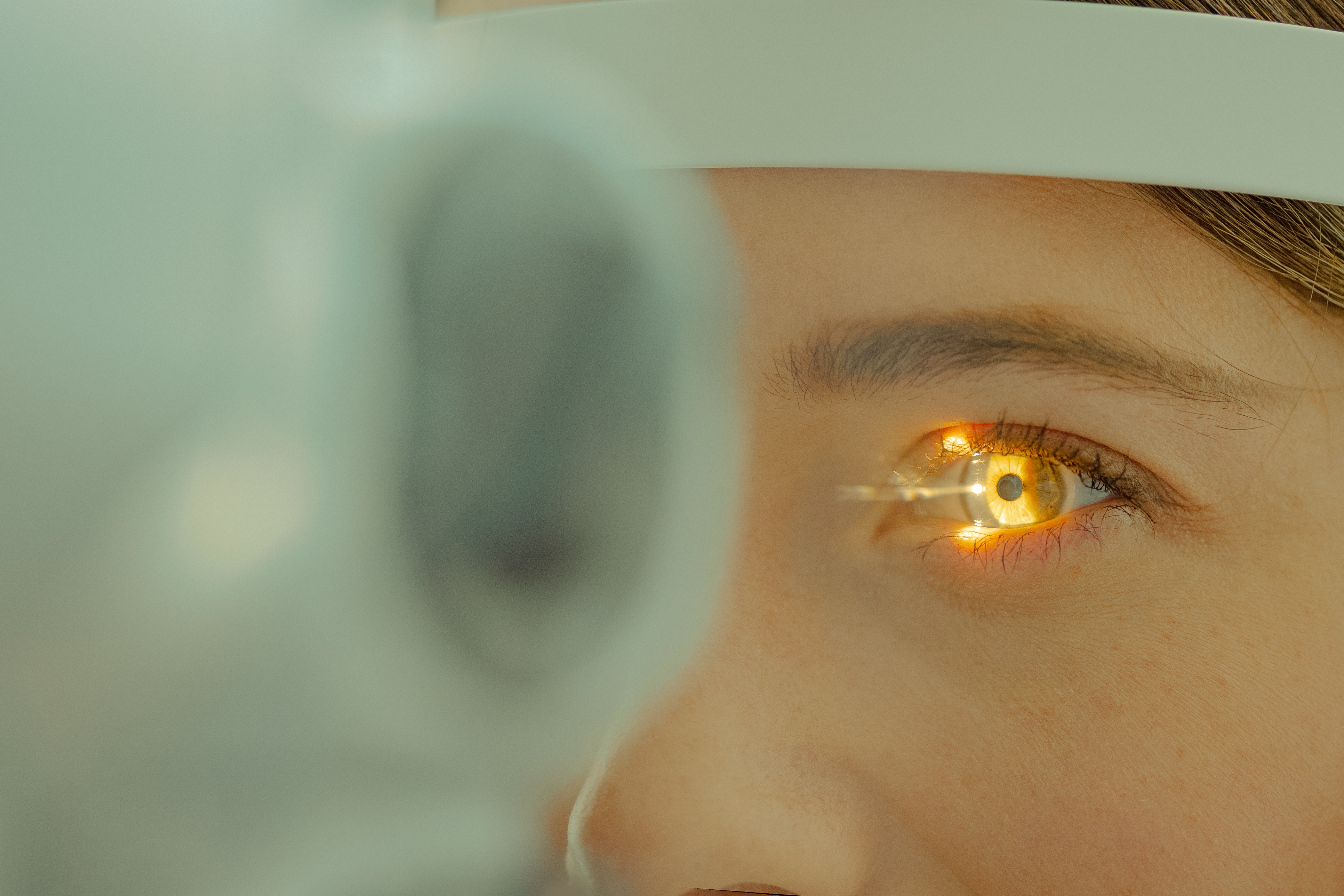
What symptoms does glaucoma cause?
During the initial stages of glaucoma, there’s a high chance you won’t notice any symptoms at all. This is because the condition tends to develop slowly over many years, with associated issues like eye pain or blurred vision not appearing until much later on.
In fact, many people don’t even realise they have glaucoma until visiting an optician for a routine eye test.
When symptoms do appear, they tend to affect both eyes and cause:
-
blurred or patchy vision
-
rainbow-coloured circles around bright lights to appear
-
intense eye pain
-
nausea and vomiting
-
red, tender eyes
-
headaches
If symptoms like these come on suddenly, this may indicate a type of glaucoma called primary angle closure glaucoma. This is responsible for 1 in 6 glaucoma cases, and will require immediate medical attention.
Beyond the eye-related issues glaucoma can cause, living with a progressive, sight-threatening condition can have a significant impact on overall quality of life as well.
This is why many patients report various secondary symptoms while living with the condition, including anxiety, low mood, chronic pain and sleep disruption.
What are the different types of glaucoma?
Since glaucoma represents a group of eye diseases, there are various types of the condition, which each develop in different ways. So, let’s break it down.
There are nine known variations of glaucoma in total, with each falling into one of three categories: primary (no clear underlying cause), secondary (caused by another condition) or developmental (present at birth).
Here’s a summary of how each type of glaucoma typically develops.
|
Type of glaucoma |
Category |
Summary |
|
Open angle glaucoma |
Primary |
The most common form of glaucoma in the UK. It develops slowly over many years as the eye's drainage channels gradually become less efficient |
|
Angle closure glaucoma |
Primary |
A rarer type where the drainage angle suddenly becomes blocked, causing eye pressure to rise rapidly and requiring immediate medical attention |
|
Normal tension glaucoma |
Primary |
Optic nerve damage that occurs even though the IOP remains within the normal range |
|
Pigmentary glaucoma |
Secondary |
Tiny pigment granules shed from the back of the iris, becoming trapped in the eye’s drainage system and increasing pressure |
|
Exfoliative glaucoma |
Secondary |
A flaky material peels off the lens and clogs the drainage angle, leading to variations in eye pressure |
|
Neovascular glaucoma |
Secondary |
Often associated with diabetes, this is caused by abnormal blood vessels forming on the iris |
|
Uveitic glaucoma |
Secondary |
Brought on due to the iris and nearby structures becoming inflamed and disrupting fluid drainage |
|
Traumatic glaucoma |
Secondary |
An eye injury that damages the drainage mechanism, either immediately or gradually over several years |
|
Childhood (congenital) glaucoma |
Developmental |
A rare, sometimes inherited form of glaucoma that typically affects young children |
What treatments are currently available for glaucoma?
Conventional treatments for glaucoma are designed with one key objective in mind: lower the intraocular pressure to protect the optic nerve from becoming further damaged.
As with many other conditions, finding the right treatment will vary depending on your exact symptoms and underlying cause of your glaucoma.
If your eye is producing too much aqueous humour, beta-blocker or carbonic anhydrase inhibitor eye drops may be prescribed to slow that production down.
Prostaglandin analogue drops, on the other hand, work by helping the fluid drain away more effectively.
With this in mind, here’s a quick overview of the treatment options most commonly offered to glaucoma patients:
|
Type of treatment |
Clinical context |
|---|---|
|
Prostaglandin analogue eye drops |
A common first-line treatment designed to increase fluid drainage from the eye and help lower IOP |
|
Beta blocker eye drops |
Often used alone or alongside other types of eye drops, these are designed to reduce the amount of fluid that the eye produces |
|
Carbonic anhydrase inhibitors |
Available as eye drops or tablets, these are also designed to reduce fluid production within the eye |
|
Selective laser trabeculoplasty |
A form of laser surgery that creates tiny holes in the trabecular meshwork to help improve the drainage of the aqueous humour |
|
Trabeculectomy surgery |
An operation designed to essentially form a small safety valve for the aqueous humour that allows fluid to leave the eye more easily |
|
Prescribed medical cannabis |
A clinician-led treatment that may be included as part of a wider treatment plan to help eligible patients manage specific secondary symptoms |
While these treatments are highly effective at treating glaucoma symptoms for many patients, they don't work perfectly for everyone.
Eye drops can cause stinging, redness and irritation, for instance. Meanwhile, some patients struggle with side effects, multiple daily doses or symptoms that persist despite controlling the pressure within the eye.
Other patients will often refuse or fear the idea of surgery, with up to 57% saying they’d actually expect a negative experience before even having the procedure.
To discover the types of treatments that have worked for our glaucoma patients, take a look at our patient stories.
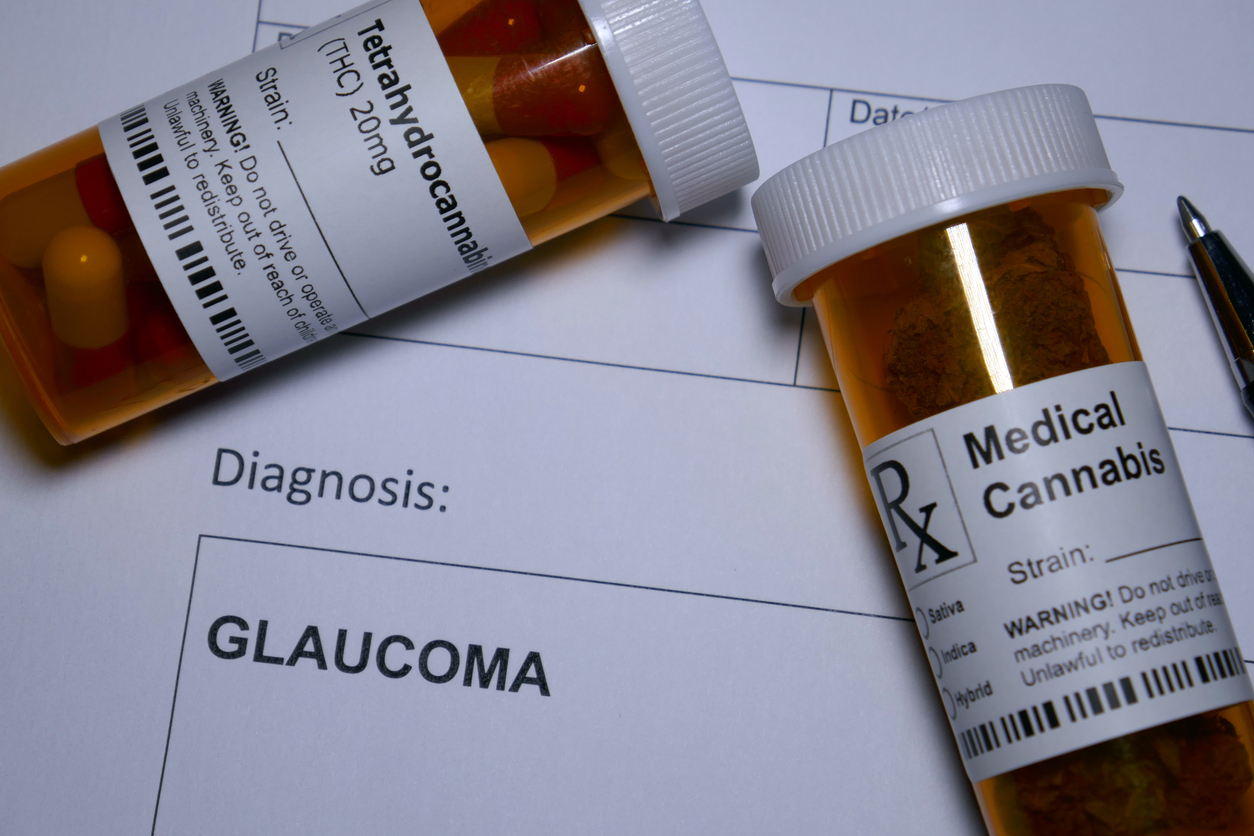
Can medical cannabis treatment help with glaucoma symptoms?
For some eligible patients, a medical cannabis prescription may help to manage certain symptoms associated with glaucoma. But it should only ever be taken as part of a wider treatment plan and under strict clinician guidance.
Medical cannabis should never be viewed as a replacement for conventional treatment options like eye drops, laser treatment or surgery. These remain the gold standard for glaucoma, due to their ability to lower eye pressure and, ultimately, protect your vision.
Where medical cannabis may help is as an additional treatment to support certain day-to-day symptoms that often exist alongside conventional care. This includes things like:
-
eye pain and pressure-related discomfort
-
headaches (due to an increased IOP)
-
nausea
-
anxiety and low mood linked to living with a long-term, sight-threatening condition
This is largely down to the two main active compounds it contains: tetrahydrocannabinol (THC) and cannabidiol (CBD), which interact with the body's endocannabinoid system.
How does the endocannabinoid system relate to glaucoma?
The endocannabinoid system (ECS) is a complex cell-signalling network involved in regulating many bodily processes, including our perception of pain, ability to sleep and overall mood.
The system relies on two main receptors:
-
CB1 receptors, which are mainly found within the brain and central nervous system and are responsible for regulating the release of neurotransmitters
-
CB2 receptors, which are largely found within immune cells and peripheral tissues and are involved in various immunological processes
The ECS is particularly interesting for glaucoma because of the high levels of cannabinoid receptors that the human eye contains.
CB1 receptors have been identified in the structures that produce and drain the eye's fluid, including the ciliary body and trabecular meshwork, as well as in the retina itself.
This means cannabinoids have a potential direct line of communication with the tissues involved in eye pressure regulation, and explains why researchers have been looking into this relationship since the 1970s.
However, despite there being a ton of evidence proving the IOP-lowering properties and neuroprotective capabilities of cannabinoids which act on CB1 receptors, we are still far from a breakthrough. And here’s why.
How does THC affect intraocular pressure in glaucoma?
The link between THC and intraocular eye pressure was first documented more than 50 years ago.
Back in 1971, Hepler and Frank published a landmark study which discovered that cannabis reduced intraocular eye pressure in healthy volunteers.
Several follow-up studies confirmed these findings, proving that THC can help lower IOP by a significant amount.
So why isn't THC recommended as a gold standard glaucoma treatment? Put simply, the pressure-lowering effect of THC doesn’t last long enough.
Taking THC in the form of medical cannabis will typically offer relief for up to four hours. Glaucoma requires 24-hour control, so maintaining this effect would mean dosing repeatedly around the clock, which isn't very practical.
In other words, while THC may offer a role in providing symptom support to glaucoma patients, it can’t replace other conventional treatment options.
What is the difference between THC and CBD for glaucoma?
THC and CBD work very differently in the body.
THC is psychoactive, acts mainly on CB1 receptors, and has been shown to lower the IOP. CBD is non-intoxicating and is better known for its potential anti-inflammatory and anxiety-reducing properties.
However, a word of caution when it comes to glaucoma.
While THC may lower the IOP, CBD has been shown to have the opposite effect and could actually worsen the condition.
That’s why it’s so important for any cannabis-based treatment to be prescribed and carefully monitored by a specialist, at a THC: CBD dosage that’s tailored to you.
What does research say about medical cannabis and glaucoma?
Medical cannabis and glaucoma share a rich, detailed research history, with interest in the relationship between the two stretching back almost six decades.
Here’s a quick summary of the most relevant findings to have been published over the years:
|
Name of study |
Year of publication |
Results |
|
1971 |
The landmark study by Hepler and Frank that first documented the link between cannabis and glaucoma, which found that cannabis produced a prompt and substantial drop in eye pressure in both eyes of almost all subjects. It sparked decades of research into cannabinoids and glaucoma. |
|
|
Effect of Sublingual Application of Cannabinoids on Intraocular Pressure: A Pilot Study |
2006 |
A small placebo-controlled study in patients with ocular hypertension or early glaucoma. A single 5mg dose of sublingual THC lowered eye pressure for around four hours, while a higher 40mg dose of CBD caused a temporary rise. |
|
2016 |
A review that found that, while cannabinoids can lower eye pressure, their short duration of action, side effects and delivery challenges mean they shouldn’t be recommended as a practical alternative to standard glaucoma treatments. |
|
|
2020 |
This review examined decades of research into cannabinoids as pressure-lowering agents. It reaffirmed that, despite genuine IOP-lowering effects, practical hurdles have kept cannabinoids from becoming an established glaucoma treatment. |
|
|
2023 |
This wide-ranging review explored the use of cannabinoids beyond just eye pressure, examining their potential neuroprotective effects on the optic nerve and their ability to improve blood flow to the optic nerve head. It concluded the effects are promising but not yet ready for clinical use. |
|
|
2024 |
A review which confirmed that cannabinoids lower eye pressure, but found the effect to be short-lived. It showed that current evidence is inadequate to recommend them as a routine glaucoma treatment. |
|
|
2025 |
This review looked at how the body's own endocannabinoid system relates to glaucoma, covering both the pressure-lowering and potential neuroprotective roles of cannabinoid receptors in the eye. It concluded that the area is promising but creating drugs that target these receptors is still some way off. |
Want to read and listen to what real patients say about the impact of prescribed medical cannabis? Have a look at the findings from our largest survey of active UK medical cannabis patients ever conducted.
What are the risks and considerations for glaucoma patients taking medical cannabis?
Medical cannabis isn't suitable for everyone, and there are several considerations glaucoma patients need to think about before adding it as part of their wider treatment plan.
-
It cannot replace conventional treatment: Stopping any existing treatments you take for glaucoma, or missing any appointments, could make the condition worse
-
CBD may increase the eye’s IOP at high doses: This is why self-medicating with unregulated CBD products is strongly discouraged
-
You may experience side effects: The most common side effects associated with medical cannabis are drowsiness, dry mouth and dizziness.
-
Interactions with other medications are possible: If you’re taking any other medications, a medical professional will need to assess your medical history to see if you’re eligible.
-
Ongoing eye monitoring is crucial: You will need to attend regular eye tests, consultations and have OCT scans performed to ensure your treatment plan remains relevant to your needs.
When starting a medical cannabis prescription with us at Releaf, your prescription will be regularly reviewed by your consultant. You will also start treatment on a low dose, with careful adjustments being made based on how you respond.
What forms of Releaf medical cannabis can be prescribed for glaucoma?
If you're deemed eligible to receive a medical cannabis prescription for glaucoma, the format will depend on factors like your symptoms, medical history, lifestyle and overall treatment goals.
The main formats of prescribed medical cannabis we can provide to eligible patients include:
-
oils
-
capsules
-
pastilles
-
vaporised dried flower
-
THC vapes
Smoking medical cannabis is also illegal in the UK. So, if you’re prescribed it, the treatment can only be inhaled as a vaporised dried flower or THC vape.
Am I eligible for UK medical cannabis treatment for glaucoma?
Glaucoma is one of many conditions medical cannabis can be prescribed for in the UK. However, it can only be prescribed to eligible patients through a CQC-regulated private clinic, such as us at Releaf.
To qualify for a medical cannabis prescription, here are the eligibility criteria you will need to meet as part of your glaucoma diagnosis:
|
Eligibility criteria |
Further details |
|
Glaucoma diagnosis |
You will need to have been diagnosed with one of the nine types of glaucoma by a doctor or eye specialist |
|
Previous treatment use |
You will need to have tried at least two conventional treatments that have failed to provide adequate relief for your symptoms, or caused unwanted side effects |
|
Pregnancy and breastfeeding |
You will not be eligible for a medical cannabis prescription if you are either pregnant or breastfeeding |
|
Other diagnoses (such as psychosis or schizophrenia) |
You will not be eligible for a medical cannabis prescription if you have psychosis or a schizophrenia diagnosis |
|
Detailed medical history |
A full review of your existing medical history will be required before your initial consultation |
How does the Releaf prescription process work?
If you’re deemed eligible for a medical cannabis prescription, you will be given an opportunity to book an initial consultation with a member of our world-class clinical team.
During this consultation, we will discuss your condition in more detail, including any symptoms you’re currently experiencing.
We will also take a detailed medical history from you, asking questions about any current glaucoma treatments you’re taking or have tried in the past.
Using this information, our multi-disciplinary team will be able to assess whether a medical cannabis prescription could help improve your quality of life.
Use our medical cannabis eligibility checker to find out whether you're eligible. It's free, only takes 30 seconds, and may be your first step towards better symptom support.
FAQs on medical cannabis for glaucoma
Still got questions about medical cannabis and glaucoma? There’s a lot to it, so here are some of the questions our consultants are asked about most often.
Can medical cannabis reduce eye pressure from glaucoma?
Yes, research dating back to 1971 has shown that the THC contained in medical cannabis can help to temporarily lower the eye’s IOP. But the key word here is “temporarily”, as the effect is only short-lived.
This means that medical cannabis should only be taken alongside other glaucoma medications, rather than seen as the primary treatment.
How long does the effect of medical cannabis on eye pressure last?
Since glaucoma requires pressure control 24 hours a day, this short duration is the main reason cannabinoids aren’t currently recommended to replace conventional treatments.
Will medical cannabis replace my glaucoma eye drops?
No. Medical cannabis is only ever prescribed as an additional treatment for glaucoma patients. It’s designed to work alongside your existing care and treatment plan, not instead of it.
Can medical cannabis help with pain from glaucoma?
Some eligible patients report experiencing improvements in pain when taking prescribed medical cannabis, particularly in terms of symptoms like eye discomfort and headaches.
Individual responses vary though, so your specialist will be able to tailor your treatment around the symptoms affecting you most.
Can medical cannabis interact with my glaucoma medications?
As with any other form of prescription medicine, medical cannabis has been shown to interact with certain medicines, including those administered to help manage glaucoma.
This is why it’s so important to give your consultant as much information about your medical history as possible. That way, they can ensure your treatment is effectively tailored to meet your needs.
Releaf - let's rethink healthcare