


Chronic Pain




Medical cannabis treatments for gout
Phantom limb pain is a distressing condition where pain or discomfort can be felt in a body part that is no longer there. Regardless of whether the limb has been removed surgically or through trauma, phantom limb pain affects up to 80% of amputees.
As there is no physical part of the body to treat, it’s important to recognise that this condition stems from disordered nerve signalling between the brain and spinal cord for the best management. Treatment usually requires a multi-faceted approach, with support from a psychiatrist, pain specialist, physiotherapist, prosthetist and psychiatrist, due to the complex nature of the condition.
For eligible UK patients, a Releaf medical cannabis prescription for phantom limb pain may be a second-line treatment option.
Up to 80%
of amputees deal with phantom limb pain
25%
of lower limb amputees also experience ‘telescoping’, where the phantom limb feels as though it is gradually shrinking back towards the body
356 million
limb amputations are carried out globally each year
70%
of respondents to Releaf’s largest survey of active UK medical cannabis patients ever conducted reported a significant reduction in anxiety and depression
Symptoms
Anxiety linked to amputation and chronic pain
Burning pain perceived in the absent limb
Cramping or twisting sensations in the absent limb
Depression linked to amputation and chronic pain
Fatigue tied to poor sleep and chronic pain
Non-painful phantom sensations, including tingling, itching, and temperature
Residual limb (stump) pain
Shooting or stabbing pain in the absent limb
Sleep disruption tied to chronic pain
Medical cannabis for phantom limb pain may help some patients suffering from the above symptoms
Treatment options:
Below is a list of the main treatment options available for phantom limb pain:
Amitriptyline and other tricyclic antidepressants
Gabapentin
Graded motor imagery
Ketamine infusions
Mirror therapy
Opioid analgesics
Pregabalin
Prescribed medical cannabis treatment
Spinal cord stimulation
Transcutaneous Electrical Nerve Stimulation (TENS)
Join our growing community of over 240,000 people
Whether you’re new to cannabis-based medicines, switching from another medical cannabis clinic, or self-medicating, we’ll put you back in control of your health.

Condition Peripheral Neuropathy
Subscriber 2 years
Condition Anxiety & Depression
Subscriber 2 years
Condition Depression
Subscriber 2 years

Condition Chronic Pain
Subscriber 3 years

Condition Restless Legs Syndrome
Subscriber 2 years
Condition Insomnia
Subscriber 2 years
Condition Depression
Subscriber 2 years

Condition CRPS
Subscriber 2 years

Condition Adjunctive Cancer Care
Subscriber 2 years

Condition Ehlers-Danlos Syndrome
Subscriber 2 years

Condition Insomnia & Chronic Pain
Subscriber 2 years

Condition ADHD
Subscriber 2 years

Condition Endometriosis
Subscriber 2 years

Condition Chronic Pain
Subscriber 2 years

Condition Low Back Pain
Subscriber 2 years

Condition Arthritis
Subscriber 2 years

Condition ADHD
Subscriber 2 years

Condition Anxiety & ADHD
Subscriber 2 years

Condition Chronic Pain
Subscriber 2 years
Condition Anxiety & Depression
Subscriber 2 years
Condition Chronic Pain
Subscriber 2 years

Condition Endometriosis
Subscriber 2 years

Condition PTSD
Subscriber 2 years

Condition Fibromyalgia
Subscriber 2 years
A word from our specialist
“Phantom limb pain is a very real and often distressing experience for patients to live with.
Even though the limb is no longer there, the sensations can range from tingling to severe pain, and are often difficult to predict or manage.
For many patients, this can have a huge knock-on effect on sleep and daily wellbeing, which is why having a personalised management plan in place is so important."

Dr Oladotun Abidakun
Neurologist

Articles on Phantom limb pain


29. 01. 2025
Could cannabis help with neuropathic pain?
Neuropathic pain is a common type of pain that is caused by damage to the nervous system. It can be linked to various sources, including disease and injury; however, sufficient treatment can often be difficult to achieve. As medical cannabis becomes more widely available, a growing number of patients may wonder whether it could be an effective alternative or add-on therapy to conventional treatments for neuropathic pain.
29. 01. 2025
12. 06. 2025
Decoding Cannabis: How medical cannabis (THC and CBD) helps manage neurological conditions
A major 2023 clinical review has brought new clarity to how cannabis medicines are being used in neurological care. This blog unpacks the evidence across epilepsy, MS, Parkinson’s, Tourette’s, and more, and explains how private UK clinics like Releaf are helping patients access personalised treatment when other options have fallen short.
12. 06. 2025
08. 07. 2024
Cannabis terpenes ‘as effective as morphine’ for chronic neuropathic pain suggests new research
New research has shed more light on the importance of terpenes in medical cannabis treatment, particularly for patients experiencing chronic pain.
08. 07. 2024
Can medical cannabis treatments help the symptoms of phantom limb pain?
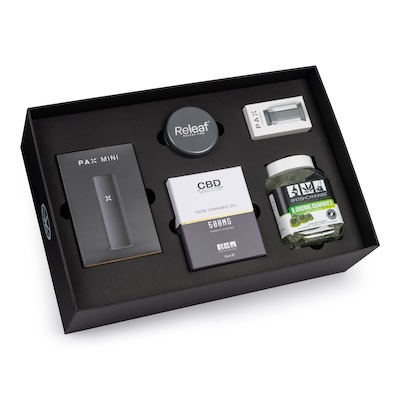
Medical cannabis may help some patients dealing with phantom limb pain. There are a wide range of medical cannabis products available, including THC vapes and cannabis oil. Find out if you’re eligible for a medical cannabis prescription with Releaf by heading to our fast and free medical cannabis eligibility checker.
What is phantom limb pain?
Medical cannabis can be prescribed to help with some of the symptoms of phantom limb pain. Releaf is the most trusted UK medical cannabis clinic , with a world-class clinical team who can help guide you on the best cannabis products for your health needs.
What symptoms does phantom limb pain cause?
The symptoms of phantom limb pain can be quite individual, but in the most severe cases, it’s most commonly experienced as burning, throbbing, piercing or stabbing sensations. Other symptoms include a feeling similar to pins and needles, cramping, itching or the feeling of the missing limb being stuck in an awkward position.
Alongside physical symptoms, many patients also experience mental health symptoms, including Major Depressive Disorder, Generalised Anxiety Disorder, Trauma and PTSD, and potentially suicidal ideation. A recent data collection survey performed by Releaf found that 70% of participating patients experienced a significant reduction in anxiety and depression since taking medical cannabis.
It’s possible that chronic stress and anxiety may exacerbate the physical symptoms of phantom limb pain, and vice versa, so it’s vital that all symptoms are treated in tandem. The largest UK study of active medical cannabis patients found that 72% of patients treat more than one condition with medical cannabis.
What treatments are currently available for phantom limb pain?
Due to the incredibly complex nature of phantom limb pain (PLP), treatments span a fairly vast set of modalities and forms. In terms of medications available on the NHS for PLP, these might include antidepressants, pain killers and anticonvulsants such as gabapentin and pregabalin, to calm overactive nerves and treat neuropathic pain. In very severe cases, some patients are prescribed opioids. Medical cannabis is available on prescription to address a wide variety of conditions and symptoms, including those associated with phantom limb pain, such as chronic pain, anxiety, and depression.
There are also a range of neurostimulation treatments available, including non-invasive options like TENS (Transcutaneous Electrical Nerve Stimulation), and surgical neurostimulation such as Spinal Cord Stimulation (SCS) and transcranial direct current stimulation (tDCS).
As there is such a profound psychological aspect to PLP, physical and cognitive therapies are extremely important. Many experts recommend mirror therapy (where patients move their intact limb while looking in the mirror to help rewire brain and pain signals), prosthetic use to help create a sense of grounding, and most recently, virtual reality therapy, which allows patients to control and ‘see’ an interactive representation of their missing limb on screen.
|
Treatment available for PLP |
Description of treatment |
|
Pharmaceutical medications |
Medications available on the NHS for PLP include antidepressants, pain killers, anticonvulsants and opioids. |
|
Neurostimulation treatments |
TENS (non-invasive, Transcutaneous Electrical Nerve Stimulation) and surgical neurostimulation such as Spinal Cord Stimulation (SCS) or transcranial direct current stimulation (tDCS). |
|
Cognitive therapies |
Mirror Therapy, prosthetic use to help create a sense of grounding, and most recently and Virtual Reality therapy |
|
Medical cannabis |
Medical cannabis for phantom limb pain is available in various forms to address symptoms including chronic pain, anxiety and depression. |
Can medical cannabis treatment help with my phantom limb pain symptoms?
Yes, medical cannabis treatment may help with phantom limb pain symptoms in a variety of ways. Multiple studies have shown that cannabis can provide remarkable therapeutic benefits for some patients dealing with neuropathic pain, such as PLP, as well as help to address co-occurring conditions such as anxiety and depression.
Cannabis (particularly THC and CBD), and its potential therapeutic effects on neuropathic pain, have been quite widely researched over the years. Numerous preclinical trials, randomised control trials and short-term trials have seen positive results across a wide variety of nervous system disorders, including epilepsy, Parkinson’s disease, multiple sclerosis and functional neurological disorder.
Just this year, a study specifically looking at cannabinoids for phantom limb syndrome was published. Although a rat model at the moment, the findings open up interesting new areas of research. The study found that a combination of CBD, THC and beta-caryophyllene (a major terpene in cannabis) was highly effective at reducing pain, stating that it helped restore normal spinal pain signalling.
|
Name of study |
Year of publication |
Results |
|
‘Rat Model study titled ‘Targeting Phantom Limb Pain with Cannabinoids in a Rat Model’ |
2026 |
This study suggests that medical cannabis may offer therapeutic value specifically for phantom limb pain. The results concluded that a combination of CBD, THC and BCP (beta-caryophyllene) may offer superior effects. |
|
2025 |
This study details how cannabinoids can help orchestrate and regulate synaptic activity. This is key for phantom limb pain as this condition can be caused by misfiring signals in the nervous system and brain. |
|
|
Low-Dose Vaporized Cannabis Significantly Improves Neuropathic Pain |
2013 |
The results of this study show that cannabis can significantly improve neuropathic pain, particularly THC. But it was found that only a low dose of THC was needed to exihibit notable results. |
|
Effectiveness of Medical Cannabis for the Treatment of Depression: A Naturalistic Outpatient Study |
2024 |
This 18-week long study found that patients aged between 20 – 54 years old reported a clinically significant reduction of depression severity after taking medical cannabis Previous treatment with antidepressant medication was required for inclusion into the study. |
How does the endocannabinoid system relate to phantom limb pain?
The endocannabinoid system relates to phantom limb pain in multiple ways, perhaps most importantly in the way that this system can be found throughout the nervous system and, when working as it should, helps to keep its processes in balance, or return it to homeostasis.
There have been many studies highlighting how manipulating the endocannabinoid system using cannabinoids, or supporting the endocannabinoid system in its innate function, can help to reduce pain and regulate misfiring nerves.
The endocannabinoid system is primarily made up of two receptors (CB1 and CB2), which are activated by internally produced, naturally occurring endocannabinoids and cannabinoids found in the cannabis plant. CB1 receptors are primarily found in the brain and nervous system, and this receptor type is mainly activated by THC, which is why this cannabinoid is so important in the treatment of phantom limb syndrome.
Phantom limb pain can occur after a limb is amputated, due to damaged nerves at the site, which then proceed to fire abnormally.
One 2024 study found that cannabinoids can reduce neuropathic pain through their interaction with the endocannabinoid system. The cannabinoid stimulation of the ECS was seen to inhibit the release of neurotransmitters that excite the pain pathway.
Phantom limb pain can also be caused by "maladaptive plasticity" – sensory confusion. There is also research indicating that cannabinoids may help to regulate this form of dysregulation, which has been noted in studies looking at PTSD, addiction and other conditions where brain rewiring is necessary for recovery. A recent 2025 study titled ‘From Synaptic Plasticity to Neurotoxicity: Endocannabinoid Influence on Addiction and Neurodegeneration’ describes the ECS as “a versatile neuromodulatory network that orchestrates synaptic plasticity, reward processing, and neuronal homeostasis”.
What does the research say about cannabis and phantom limb pain?
Phantom limb pain is classified as a form of neuropathic pain, despite being a complex condition, as it is largely caused by trauma or dysfunction in the nervous system. Neuropathic pain is specifically defined as pain caused by damage, disease, or a malfunction within the nervous system.
Most recently, a brand-new rat model study titled ‘Targeting Phantom Limb Pain with Cannabinoids in a Rat Model’ suggests that combining cannabinoids and terpenes, particularly CBD, THC and beta-caryophyllene, can produce the best effects for managing neuropathic pain due to the pain perception alteration of THC and the anti-inflammatory effects of CBD, which can help reduce neuroinflammation and regulate nerve sensitivity. This is called the entourage effect. Your Releaf consultant will be able to advise you on the most suitable medical cannabis strains for phantom limb pain.
Studies generally suggest that THC offers more pain-relieving properties, while CBD tends to be more anti-inflammatory, but THC does not necessarily have to be at a high dose to work. One study published in The Journal of Pain found that THC vaporised at the lowest dose (1.29%) significantly reduced neuropathic pain to the same degree as a higher dose (3.53%).
It’s likely your Releaf clinician might suggest a form of medical cannabis containing THC, but the dose will be entirely dependent on your unique needs.
What forms of Releaf medical cannabis can be prescribed for phantom limb pain?
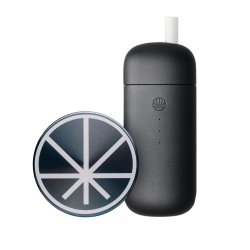
It’s possible to access medical cannabis in various forms in the UK, including cannabis oil, cannabis flower to vaporise, THC vapes and cannabis pastilles. Your clinician can help you choose the best cannabis product for your condition and lifestyle requirements.
Am I eligible for UK medical cannabis treatment for phantom limb pain?
You may be - To see if you might qualify for a prescription, use Releaf’s medical cannabis eligibility checker. It’s fast, free, and designed to give you clear answers from the most trusted UK medical cannabis clinic.
FAQs on medical cannabis for phantom limb pain
Can medical cannabis actually reduce phantom limb pain?
Yes, studies suggest that medical cannabis could be very effective for reducing phantom limb pain and many other forms of neuropathic pain.
I am a veteran living with phantom limb pain. Can I access medical cannabis through Releaf?
If you have previously tried two other standard treatments, you may be eligible for a medical cannabis prescription for phantom limb pain through Releaf. Head to our online eligibility checker to get the process started today.
Does medical cannabis help with residual limb (stump) pain as well as phantom limb pain?
Yes, medical cannabis could potentially help with residual limb (stump) pain as well as phantom limb pain, as this is also likely to be caused by misfiring nerves at the site.
Can medical cannabis be prescribed alongside mirror therapy for phantom limb pain?
Yes, medical cannabis can be prescribed alongside mirror therapy for phantom limb pain. As the condition is so complex, it is generally considered best practice to take a multi-faceted approach to healing.
How does medical cannabis interact with the gabapentin I take for phantom limb pain?
When you book a consultation with Releaf, your clinician will have access to your medical records and be able to see the medication you are currently taking. Medical cannabis can interact with certain medications, including gabapentin, but your Releaf consultant will be able to advise further on this.