- Adult-Onset Still’s Disease (AOSD)
- Arthritis
- Ankylosing Spondylitis
- Bronchiectasis
- Chronic Obstructive Pulmonary Disease
- Chronic Skin Conditions
- Cluster Headache
- Complex Regional Pain Syndrome
- Eczema
- Ehlers Danlos Syndrome
- Endometriosis
- Fibromyalgia
- Gout
- Headaches
- HIV
- Long Covid
- Lower Back Pain
- Lupus
- Mast Cell Activation Syndrome (MCAS)
- Migraines
- Mixed Connective Tissue Disease
- Myalgic Encephalomyelitis

Medical cannabis treatments for spinal muscular atrophy
Spinal muscular atrophy (SMA) is a genetic condition that causes muscle wasting, also known as atrophy, and weakness. When someone has SMA, they can’t produce enough of a specific protein to keep motor neurons healthy, so their muscles don’t work properly.
This may present as problems moving their limbs, head, and neck, and they may have issues with swallowing and even breathing. There are four main types of SMA, defined by the age at which symptoms start and what mobility milestones the patient reaches. In babies and young children, mobility may be extremely limited. When adults develop symptoms, they may have some or full mobility, but live with aches, cramps, weakness, fatigue, and shakes. These symptoms generally get worse with age.
Medical cannabis for spinal muscular atrophy is emerging as an alternative treatment for symptom management, helping SMA patients improve their quality of life.
4
babies are born with SMA every month in the UK.
1,600
people in the UK may be currently living with SMA.
47.5%
of the 1,669 respondents to the largest survey of active UK medical cannabis patients ever conducted are prescribed medical cannabis for chronic pain, a primary symptom of SMA.
85%
of those same survey respondents state that medical cannabis has improved their ability to perform daily activities and tasks.
Symptoms
Anxiety and depression linked to progressive disability
Chronic musculoskeletal pain from postural stress and uneven muscle loading
Difficulty walking, climbing stairs, or rising from a chair
Difficulty with swallowing in more severe presentations
Fatigue
Joint pain and contractures
Muscle cramps and spasms
Progressive muscle weakness and wasting
Respiratory weakness in more severe presentations
Scoliosis
Sleep disruption tied to pain and respiratory symptoms
Tremor in the hands
If you’re experiencing any of these symptoms, it’s important to seek tailored advice from a medical professional.
Treatment options:
Conventional spinal muscular atrophy treatments that patients may have tried:
Analgesics for chronic pain
Baclofen and other muscle relaxants
Nusinersen (Spinraza)
Onasemnogene abeparvovec (Zolgensma) in younger children
Orthotics and assistive devices
Physiotherapy and hydrotherapy
Prescribed medical cannabis treatment
Respiratory support in severe cases
Risdiplam (Evrysdi)
Join our growing community of over 240,000 people
Whether you’re new to cannabis-based medicines, switching from another medical cannabis clinic, or self-medicating, we’ll put you back in control of your health.
A word from our specialist
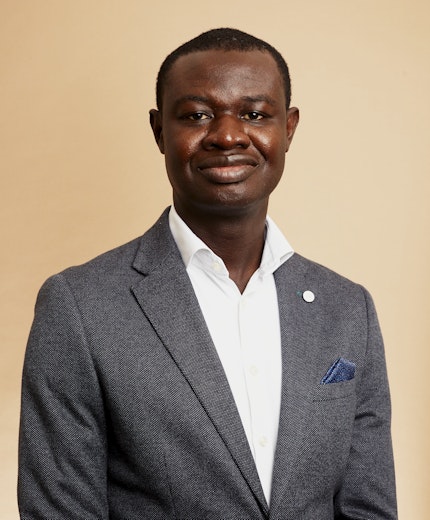
“Spinal muscular atrophy is a condition that affects the nerves which control our ability to move. Its impact can vary enormously depending on several factors, including the type you have and the age you were when it first appeared.
For many patients and their families, the gradual changes the condition causes in strength and mobility can be challenging to navigate over time. That's why ongoing support is so important, utilising a treatment plan that meets their specific needs.”

Dr Oladotun Abidakun
Neurologist
Articles on Spinal muscular atrophy
Can medical cannabis treatments help the symptoms of spinal muscular atrophy?
While medical cannabis will not cure spinal muscular atrophy, it may help control the symptoms for some patients. It is a second-line treatment option in the UK.
Spinal muscular atrophy (SMA) is a rare genetic condition where the patient has “faulty” Survival Motor Neuron 1 (SMN1) genes. These genes usually produce SMN proteins that keep nerve cells, known as motor neurons, in the spine healthy.
When someone can’t produce enough of this protein, the lower motor neurons deteriorate and eventually die. Because these motor neurons send messages to muscles, those muscles won’t work properly any more.
Without the ability to move, those muscles atrophy and become weak. This makes it difficult to move those muscles. The severity of SMA’s impact depends on the age at which someone develops SMA. Problems range from issues with swallowing and breathing to mildly limited mobility, aches, and pains.
What is the difference between the four types of SMA?
The most common form of SMA is called 5q SMA and is split into Types 1,2, 3, and 4, each determined by when symptoms start. In some rare cases, a baby may be diagnosed before being born. This is known as Type 0 SMA.
| SMA Type 1 | SMA Type 2 | SMA Type 3 | SMA Type 4 |
Onset age | Birth to 6 months | 6-18 months | 18 months to 18 years (SMA Type 3a typically presents between 18 months and 3 years; SMA Type 3b between 3 and 18 years.) | Adulthood |
Typical symptoms | Babies seem floppy, can’t support their head, can’t sit, may struggle to roll or lift limbs; problems with coughing, crying, and swallowing are common. | Muscle weakness, difficulties lifting limbs, particularly the legs, loss of skills, e.g., a baby that already learned to crawl may lose this ability. | Muscle weakness, leading to difficulties standing and walking, sideways curvature of the spine (scoliosis), tight joints that restrict movement, fatigue, and weakness. | Aches, cramps, muscle spasms, and shakes; heavy limbs, numbness, fatigue, and weakness. |
Treatment options | Nusinersen and Risdiplam are medications that encourage genes to produce more SMN proteins; Zolgensma is a form of gene therapy – all medications are treatments, not cures. | Nusinersen and Risdiplam. Children may need specialist equipment to aid their mobility as they get older. | Nusinersen and Risdiplam; mobility aids. | Nusinersen (except in Scotland, where this is only available for Types 1, 2, and 3); physiotherapy; pain medication; symptom management for sleep issues, anxiety, and stress. |
Although SMA is a type of motor neuron disease, in that it impacts neurons connected to muscles, it is not the same as the condition known as Motor Neuron Disease (MND). The most common form of MND is Amyotrophic Lateral Sclerosis (ALS), which affects both upper and lower motor neurons, whereas SMA only affects lower motor neurons.
The main practical difference is that ALS and similar conditions are life-limiting, but many people live with SMA, with the correct treatments.
What symptoms does spinal muscular atrophy cause?
For adults living with either Type 3 or Type 4 SMA, the most problematic symptoms may be reduced mobility, pain and cramps, and a lack of sleep, which compounds fatigue. Where muscle weakness is severe, patients may struggle to do daily tasks and may need help with washing and dressing.
Supportive care and symptom management are essential to ensure patients maintain an acceptable quality of life. Without this, the patient may develop mental health problems like anxiety and depression, due to feelings of helplessness that often come with a chronic, potentially deteriorating condition.
Can medical cannabis treatment help with my spinal muscular atrophy symptoms?
Some patients may be prescribed medical cannabis for spinal muscular atrophy because of the therapeutic compounds it contains, including THC and CBD. THC for spinal muscular atrophy can offer benefits, including:
Improved sleep leading to reduced fatigue
Better mood regulation
Some patients find that by administering THC and CBD for spinal muscular atrophy, they regain an improved quality of life.
How does the endocannabinoid system relate to spinal muscular atrophy?
The endocannabinoid system is a network of receptors that affect just about every aspect of your well-being, from your mood to your immune system. While this system doesn’t impact the underlying causes of SMA, medications that offer a therapeutic effect on the endocannabinoid system could offer symptom relief.
Taking CBD and THC for spinal muscular atrophy may help promote homeostasis, which is a term meaning your internal environment is working more harmoniously. Patients may find that this leads to improved sleep, reduced fatigue, and lower pain levels.
What does the research say about cannabis and spinal muscular atrophy?
While advanced medications like Nusinersen may help slow the progression of SMA or even offer improvements in some cases, many people seek alternative treatments for spinal muscular atrophy to better manage the day-to-day symptoms. Medical cannabis is one such potential treatment, with some research backing up the use of this medication for spasm control and pain relief.
Some other neurological conditions are already treated with cannabis-based medicines. For example, multiple sclerosis (MS) patients are sometimes prescribed Sativex, a mouth spray that contains compounds of medical cannabis. This medication is used to treat spasms and muscle stiffness, two problematic symptoms of MS.
SMA patients could benefit from the same therapeutic effects, considering the fact that SMA UK notes that muscle stiffness and cramps are key symptoms of Type 4 SMA.
In 2021, the Journal of Cannabis Research reported that patients prescribed medical cannabis for chronic musculoskeletal pain reported improved pain management and psychological well-being.
Patient stories also indicate that medical cannabis may offer some relief for symptoms associated with SMA, including pain and sleeplessness. One Releaf patient, Darren, said,
“I was always careful not to burden my family with my sleep issues, and tried to rarely bring it up. Maybe I would sometimes briefly mention that I was finding it hard to sleep, but not much more than that. But I am noticing that I am less irritable, less snappy. I have more 'space' to be able to see what is going on around me and react to things differently, more positively. That goes for work as much as it does for my family life. When things get stressful, I think I am now able to deal with things a little better because I have had a proper night’s sleep.”
What forms of Releaf medical cannabis can be prescribed for spinal muscular atrophy?
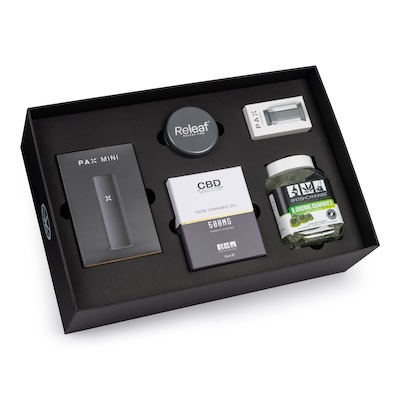
A qualified clinician may prescribe medical cannabis for adult neuromuscular conditions, including SMA. Medical cannabis can be administered in the following formats:
Capsules
Oils
Pastilles
medical cannabis strains for vaporisers
Medical cannabis may offer additional benefits compared to solely taking CBD for spinal muscular atrophy, as it contains multiple potentially therapeutic compounds, including THC and terpenes.
Medical cannabis for SMA Type 3 adults could represent a way to manage pain and fatigue more effectively. SMA UK notes that managing fatigue is an important aspect of SMA Type 3 treatment, and the potential for improved sleep via alternative treatments like medical cannabis could be supportive.
Am I eligible for UK medical cannabis treatment for spinal muscular atrophy?
SMA is just one of the conditions medical cannabis can be prescribed for. You can find out if you are one of the many people in the UK who are now eligible for medical cannabis for spinal muscular atrophy or other conditions. Just head to Releaf’s medical cannabis eligibility checker and fill out a few details. It only takes around 30 seconds and is totally cost free.
Releaf is the most trusted UK medical cannabis clinic with a world-class clinical team. Over 50 specialists with experience in a range of conditions, including SMA, work with Releaf. So, when you book a consultation, you’re speaking with someone who genuinely understands living with SMA.
Before deciding if medical cannabis is right for you, you may want to know how Releaf pricing works. Fees are simple and transparent:
| Releaf Pay As You Go | |
Initial consultation fee | £99 | £99 |
Prescription cost | £19.99 plus £4.99 delivery | Discounted rates |
Follow-up consultation fee | £69.99 | Included |
Additional benefits | Online resources, including blogs and articles, e.g., understanding differences between indica vs sativa strains of plants. | Various, including Releaf Protect, a service offering free legal advice on any aspect of medical cannabis. |
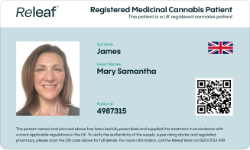
When you’re prescribed medical cannabis for SMA UK treatment through Releaf, you’re eligible for a UK medical cannabis card. The card is free of charge once the first prescription is paid for and will be delivered separately from your prescribed medication. It can take 3-5 days to arrive. A medical cannabis card can’t guarantee that you won’t be questioned by the police. What it offers is a way to quickly identify yourself as a legal medical cannabis patient. Releaf also provides advice on travelling with medical cannabis, including when to apply for travel certificates.
Find out if you’re eligible for medical cannabis for spinal muscular atrophy treatment using the medical cannabis eligibility checker or contact our team.
FAQs on medical cannabis for spinal muscular atrophy
How does medical cannabis fit alongside nusinersen, risdiplam, and other disease-modifying therapies?
Disease-modifying medication for SMA works to support the genes that produce SMN proteins. Medical cannabis, on the other hand, is a potential way to better manage symptoms associated with SMA. Speak to your clinician about whether medical cannabis will fit in with your current treatment plan.
Can medical cannabis help with my SMA muscle cramps and spasms?
Some patients find taking medical cannabis for spinal muscular atrophy treatment has a therapeutic effect on spasms and muscle cramps. Cannabis-based medicine is already prescribed for many MS patients for spasms and stiffness, so it could benefit some SMA patients.
Can medical cannabis help with SMA-related fatigue?
Where fatigue is exacerbated by sleep disruption, medical cannabis may offer some relief. The Releaf survey shows that 21% of the 1,669 respondents were prescribed medical cannabis for sleep disorders.
I have some respiratory involvement from my SMA. Can I still be considered for medical cannabis treatment?
Possibly yes, although all treatment plans are tailored to the individual and not every SMA will be prescribed medical cannabis, depending on their symptoms and other medications they may be taking at the time.
Which medical cannabis formats tend to work best for SMA-related pain and spasms?
The format of medical cannabis you’re prescribed will usually be decided upon between you and your clinician, based on your lifestyle and personal preferences. Each format may offer potential therapeutic effects, including the possibility of relief for pain and muscle spasms.