- Adult-Onset Still’s Disease (AOSD)
- Arthritis
- Ankylosing Spondylitis
- Bronchiectasis
- Chronic Obstructive Pulmonary Disease
- Chronic Skin Conditions
- Cluster Headache
- Complex Regional Pain Syndrome
- Eczema
- Ehlers Danlos Syndrome
- Endometriosis
- Fibromyalgia
- Gout
- Headaches
- HIV
- Long Covid
- Lower Back Pain
- Lupus
- Mast Cell Activation Syndrome (MCAS)
- Migraines
- Mixed Connective Tissue Disease
- Myalgic Encephalomyelitis

Medical cannabis treatments for chronic skin conditions
Chronic skin conditions range from eczema and psoriasis to prurigo nodularis and Epidermolysis bullosa, among many others. Primary symptoms may include itching, dryness, flaking skin, nodules, fragile skin, frequent blistering, abscesses, or scarring. However, these conditions also often lead to secondary symptoms such as sleeplessness, stress, anxiety, and depression.
There are many conventional medications for chronic skin conditions, ranging from topical creams to phototherapy (light treatment), retinoids, immunosuppressants, and antihistamines. Sometimes, a doctor may recommend a combination of medications and therapies, particularly where a skin condition has persisted for a long time.
Medical cannabis for chronic skin conditions is emerging as a potential additional method for managing some of the associated symptoms, from itching to sleeplessness and the mental health toll these conditions can take on patients.
Up to 30%
of children and 10% of adults may develop eczema.
2.5%
of people in the UK suffer from psoriasis, with slightly more women affected than men.
17%
of UK adults will experience chronic itch (pruritus), impacting sleep, mood, and the general quality of life.
97%
of the 1,669 respondents to the largest survey of active UK medical cannabis patients ever conducted reported an improvement in various symptoms, including discomfort and sleep disorders, often associated with chronic skin conditions.
Symptoms
Anxiety linked to chronic skin disease
Bleeding and weeping skin
Blistering and skin fragility in EB
Depression linked to chronic skin disease and stigma
Dry, cracked, or scaling skin
Painful nodules and abscesses in HS
Painful skin lesions and plaques
Persistent itching
Skin redness and inflammation
Skin thickening from prolonged scratching
Sleep disruption from itch
Social withdrawal
If you’re experiencing any of these symptoms, it’s important to seek tailored advice from a medical professional.
Treatment options:
Standard treatments for chronic skin conditions that patients may have tried include:
Acitretin for psoriasis
Adalimumab and other biologics for psoriasis and HS
Antihistamines for itch
Ciclosporin
Dupilumab and other biologics for eczema
Emollients and moisturisers
Methotrexate
Phototherapy
Prescribed medical cannabis treatment
Topical calcineurin inhibitors
Topical corticosteroids
Topical vitamin D analogues for psoriasis
Join our growing community of over 240,000 people
Whether you’re new to cannabis-based medicines, switching from another medical cannabis clinic, or self-medicating, we’ll put you back in control of your health.
A word from our specialist
“There are a huge number of skin conditions. From the more common issues like eczema, psoriasis and rosacea to rarer disorders like scleroderma, the impact of these conditions extends far beyond the physical symptoms they cause.
For many, the visible nature of these conditions can affect confidence and emotional wellbeing just as much as the symptoms themselves, resulting in other issues that need addressing.
Personalised care is essential here. Only by fully understanding the impact the condition has on a patient’s life can we, as clinicians, identify the treatments that may be able to offer symptom relief.”

Dr Lorenzo Bernaudo
Consultant General Surgery
Articles on Chronic skin conditions
Can medical cannabis treatments help the symptoms of chronic skin conditions?
Yes, medical cannabis may help some patients dealing with the symptoms of chronic skin conditions.
A chronic skin condition is any condition that affects the skin and is expected to last at least a year. Many last for much longer, with some affecting the patient for years or even their whole life. Some skin conditions, like eczema and psoriasis, leave the skin inflamed, red, and itchy, causing intense discomfort and impacting self-confidence. Other conditions cause lumps or abscesses, or may cause the skin to become weak and fragile.
Every skin condition has recommended treatments, but not all patients respond to treatments in the same way. For example, many people manage eczema with emollients and moisturisers or corticosteroid creams. However, some people find that these topical treatments (meaning treatments applied directly to the skin) do not control the condition effectively. These patients may be referred for phototherapy or biological treatments like Dupilumab, sometimes called Dupixent.
Sometimes, people seek out alternative treatments for chronic skin conditions because they’ve tried multiple medications and therapies and still want better control over their symptoms.
How does medical cannabis fit into the treatment of chronic skin conditions?
Medical cannabis for chronic skin conditions may offer therapeutic benefits, including:
Reduced stress and anxiety
Depression relief
Reduced inflammation
Sleeplessness, for example, is a common symptom associated with many chronic skin conditions. The pain and itchiness linked to irritated, inflamed skin can prevent sleep or even wake the person up in the night. The Releaf survey of active medical cannabis patients showed that 82.3% of 101 respondents taking medical cannabis for sleep disorders experienced improved sleep within one week.
A quick reference table showing potential symptoms and how they can affect a person’s quality of life:
Symptom | How symptom presents | Impact on quality of life |
Dry skin | Scaly red or purple patches, flaky skin, itching | Discomfort and distress; social anxiety due to changes in appearance |
Lumps or nodules | Hard lumps that are itchy and may become painful; uncontrollable urge to scratch | Intense discomfort; social anxieties due to appearance and constant scratching; low mood due to lack of relief options |
Sores or abscesses | Pain, weeping, bleeding, swelling, growth of boils and other lumps | Mobility may be impacted depending on the location of abscesses; social anxiety; depression associated with unpredictable nature of symptoms |
Fragile skin (from conditions like EB) | Sore skin that breaks easily; blisters | Pain; risk of infection; reduced mobility; potential isolation |
Sleeplessness | Insomnia or restless nights leading to intense fatigue | Inability to perform daily tasks; low mood; anxiety |
Medical cannabis could offer some symptomatic relief for concerns including mood and sleep disorders, often alongside existing treatment plans.
What is the difference between prescription medical cannabis and over-the-counter CBD creams?
Some people may try topical CBD for chronic skin conditions. CBD is just one of the compounds found in medical cannabis, along with THC and terpenes, among others. Because CBD creams are highly regulated in order to be sold over the counter, they usually contain CBD isolate, where CBD is the only cannabinoid present, or they may contain no more than 1mg of THC at the most.
Medical cannabis for chronic skin conditions may offer additional benefits to some people because there are potentially therapeutic compounds that go beyond CBD.
Which chronic skin conditions can medical cannabis be prescribed for?
There are many chronic skin conditions medical cannabis can be prescribed for. Here are just a few:
Eczema (atopic dermatitis)
Eczema is an inflammatory skin condition which causes dry, scaly, red, and very itchy skin. When particularly dry or damaged from scratching, the skin may crack, weep, and bleed. Constant scratching may lead to infections. Eczema sufferers have a less robust skin barrier, so moisture is lost faster and irritants have a greater impact.
Some clinicians may prescribe cannabis for eczema UK patients because of its potential for the relief of itchiness and inflammation. Medical cannabis may also offer benefits to patients struggling to sleep because of the discomfort caused by eczema.
Psoriasis
Psoriasis is an autoimmune condition where skin grows faster than usual. It’s characterised by red or purple, scaly, inflamed patches of skin that are challenging to manage. The discomfort and distress of psoriasis causes increased stress, which can, unfortunately, then lead to exacerbated flare-ups of psoriasis. Patients may also feel self-conscious about how psoriasis makes them look, leading to limited social contact and isolation.
Administering compounds like THC and CBD for psoriasis UK patients could offer relief by helping to manage the stress that can trigger psoriasis flares, although the link between reduced stress and medical cannabis isn’t yet fully understood.
Prurigo nodularis
This condition is where firm and very itchy nodules appear on the skin. They usually appear on the arms and legs, but can appear anywhere except the upper back. The nodules may fade if the patient stops scratching, but the itchiness is so intense that this is extremely challenging to achieve.
Prurigo nodularis, also known as nodular prurigo, may lead to scarring and pitting of the skin where constant scratching causes permanent damage. The itching can also lead to sleep disorders, dysregulated moods, and even difficulties with work and relationships.
A clinician may prescribe medical cannabis for prurigo nodularis for potential relief of symptoms like sleeplessness and stress.
Chronic idiopathic pruritus
Pruritus is the medical term for itching or itchiness, which is why this condition is sometimes simply known as chronic itch. “Idiopathic” means that a medical professional cannot find the cause of the itching. That doesn’t mean the condition isn’t real, just that the only relief possible is symptomatic treatment.
Medical cannabis for chronic itch could offer potentially therapeutic effects ranging from reduced inflammation and itchiness to improved sleep and lower anxiety levels. If you’re eligible, a clinician will assess your symptoms and decide whether medical cannabis is the right next step for you.
Hidradenitis suppurativa (HS)
This condition can be very painful and is characterised by lumps like boils, blackheads, and cysts, which may burst, leak pus, and cause scarring. The lumps nearly always occur where hair follicles and sweat glands are close together, for example, in the armpits.
Infections are common, leading to the prescription of antibiotics. Antiseptic washes may help, and vitamin-A-based medicines called retinoids may be prescribed by a dermatologist.
A clinician may prescribe medical cannabis to offer potential relief for the chronic pain associated with HS.
Epidermolysis bullosa (EB)
EB is a group of rare, hereditary skin conditions that make skin more fragile than usual. The smallest amount of friction may result in blisters that can be very painful. As the skin breaks and heals repeatedly, it may become thick and scarred, which can affect the patient’s appearance and make them self-conscious.
A dermatologist usually diagnoses EB and may take a biopsy (skin sample) to test before determining the best treatment plan. A patient may need protective dressings and, in some cases, a doctor may need to pop the blisters with a sterile needle to prevent infection.
While there is no cure for EB, birch bark extract is a recommended treatment for accelerated wound healing. Medical cannabis may also offer some relief from the pain and anxiety associated with this condition.
What is the scratch-anxiety cycle, and can medical cannabis help to interrupt it?
Stress is a contributing factor to many skin conditions. Unfortunately, when you’re itchy and in pain, stress is heightened, leading to the “scratch-anxiety cycle.” Anxiety can be further heightened by worries about how visible skin conditions affect a person’s looks, or the unpredictability of flares.
Medical cannabis is emerging as a potential source of relief for anxiety, offering a calmer state of mind for some people that could, in some cases, help break that scratch-anxiety cycle. A 2025 review of medicinal cannabis studies focused on anxiety found that 70% of these studies reported improvements in both generalised and social anxiety disorders.
How does the endocannabinoid system relate to chronic skin conditions?
The application of cannabinoids for skin inflammation may offer relief because of how plant-based cannabinoids (phytocannabinoids) act in the body. The human body produces its own cannabinoids, which interact with the receptors that make up the endocannabinoid system (ECS). When healthy and balanced, the ECS promotes homeostasis, where internal systems work well together.
Research shows that the ECS has a significant impact on the skin, which is the largest organ in the human body. As far back as 2009, an article in Trends Pharmacol Sci. suggested that disruption of the ECS was linked to acne, some forms of dermatitis, itching, skin pain, and sclerosis.
Administering phytocannabinoids like THC and CBD for chronic skin conditions could be one way to help positively impact the ECS and, therefore, skin health.
What does the research say about cannabis and chronic skin conditions?
Research suggests that CBD and THC for chronic skin conditions may offer some therapeutic benefits. Multiple studies report that CBD-based topical treatments for inflammatory skin conditions can offer relief.
A 2020 study on the impact of CBD gel on sensitive, dry skin found that patients self-reported a lower severity of eczema, with half the subjects reporting a 60% improvement in symptoms. Patients also reported an improved quality of life.
More recently, a 2024 scope review on the effectiveness of CBD for chronic skin conditions found that eczema patients saw a reduction in dryness and redness, even after only two weeks of application.
What forms of Releaf medical cannabis can be prescribed for chronic skin conditions?
If you’re prescribed THC/CBD for chronic skin conditions, you may have the choice of the following formats:
Oils
Pastilles
Capsules
Your clinician will take your personal preferences and lifestyle into account when recommending a particular format.
Am I eligible for UK medical cannabis treatment for a chronic skin condition?
It’s easy to check your medical cannabis eligibility right now. Releaf is the most trusted UK medical cannabis clinic, with a world-class clinical team including over 50 specialists doctors. That includes experts in chronic skin conditions, who can talk you through whether medical cannabis is the right next step for you.
Take a look at how Releaf pricing works:
| Releaf Pay As You Go | |
Initial consultation fee | £99 | £99 |
Prescription charges | £19.99 per prescription plus £4.99 fee for tracked delivery, plus relevant medication charges | Free delivery and prescription charges, and reduced medication charges |
Follow-up consultation fee | £69.99 | Included |
Additional benefits | Unlimited patient support; online resources such as condition information and blogs about medical cannabis, e.g., differences between indica vs sativa strains of plants. | Unlimited patient support; Releaf+ rewards programme; Releaf Protect, which offers free legal advice on any aspect of medical cannabis. |
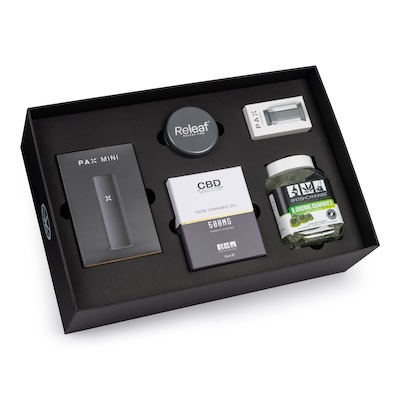
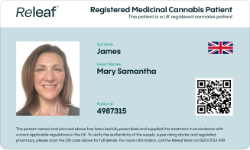
No matter what plan you choose, you’re eligible for a UK medical cannabis card, which is free of charge after you’ve paid for your first prescription. This card is delivered separately from your prescribed medication and may take 3-5 days to arrive. While it can’t guarantee that you won’t be stopped by the police, a medical cannabis card offers a way to quickly identify yourself as a legal medical cannabis patient when you need to.
Releaf also provides advice on travelling with cannabis and when you should apply for travel certificates.
If you’re ready to join the 240,000+ strong Releaf community, head to the medical cannabis eligibility checker or contact our team.
FAQs on medical cannabis for chronic skin conditions
I have tried CBD creams from the high street for my skin condition, and they did not help. Will prescription medical cannabis be different?
Some people may find medical cannabis for chronic skin conditions more effective than CBD alone due to the potentially therapeutic combination of compounds found in full-spectrum medical cannabis. Compounds like THC and terpenes, combined with CBD, could offer additional benefits such as improved sleep and a calmer state of mind.
Can medical cannabis help with the anxiety that makes my eczema and psoriasis worse?
It’s possible. Medical cannabis may be associated with lower stress and anxiety, both of which are potential triggers for eczema and psoriasis. A calmer state of mind could, for some people, reduce the frequency and severity of flares.
I am already taking a biologic such as dupilumab. Can I still be considered for medical cannabis treatment?
When you book a consultation with a Releaf clinician, they’ll take into account any treatments you’re already taking before deciding if medical cannabis may be suitable for you. Remember to mention any medications and treatments you’re using that might not be on your record, such as over-the-counter treatments.
Which medical cannabis formats tend to work best for chronic skin conditions?
You may be prescribed medical cannabis for chronic skin conditions in formats including oils, capsules, and pastilles. Some people may opt for a vape or dried flowers that can be used in a vaporiser. A clinician will discuss which formats are best for you, based on your preferences and lifestyle.