
Gastro-Oesophageal Reflux Disease

Medical cannabis treatments for GORD

Gastro-oesophageal reflux disease (GORD) is a common, chronic condition where stomach acid leaks into the oesophagus, resulting in symptoms like heartburn, acid reflux and indigestion. 

Medical cannabis may be recommended to eligible patients alongside other conventional treatments to help alleviate certain symptoms of the condition, such as sleep disturbances and anxiety.

At Releaf, our CQC-regulated, world-class clinical team of 50+ specialists can provide the support you need to help manage your day-to-day symptoms of GORD by assessing your eligibility for medical cannabis treatment. 

1.5 times

more likely for men to develop severe GORD complications, like erosive reflux disease, than women

1 in 4

UK adults experience heartburn, one of the major symptoms of GORD

10 million

individuals are thought to be impacted by GORD in the UK

Symptoms

Acid reflux

Bad breath

Bloating

Heartburn

Nausea or vomiting

Nocturnal reflux and disrupted sleep

Oesophageal pain and discomfort

Persistent cough

Sore throat and hoarseness

Stress

Swallowing difficulties

Tooth decay

If you’re experiencing any of these symptoms, it’s important to seek tailored advice from a medical professional.

Treatment options:

If you have GORD, there are several treatment options available to help relieve symptoms during a flare-up and prevent further potential flares. These include:

Alginates

Antacid medications

Dietary and lifestyle changes

Eating smaller meals more often

H2-receptor antagonists

Prescribed medical cannabis

Proton-pump inhibitors

Surgery (in severe cases)

Trigger avoidance

Check your eligibility (takes 30s) for GORD medical cannabis (THC) treatment with Releaf

Join our growing community of over 240,000 people

Whether you’re new to cannabis-based medicines, switching from another medical cannabis clinic, or self-medicating, we’ll put you back in control of your health.

Review thumbnail
Verified
Lukas' Journey

Condition Peripheral Neuropathy

Subscriber 2 years

Review thumbnail
Verified
Brandon's Journey

Condition Anxiety & Depression

Subscriber 2 years

Review thumbnail
Verified
John's Journey

Condition Depression

Subscriber 2 years

Review thumbnail
Verified
Amber's Journey

Condition Chronic Pain

Subscriber 3 years

Review thumbnail
Verified
James' Journey

Condition Restless Legs Syndrome

Subscriber 2 years

Review thumbnail
Verified
Darren's Journey

Condition Insomnia

Subscriber 2 years

Review thumbnail
Verified
Matthew's Journey

Condition Depression

Subscriber 2 years

Review thumbnail
Verified
Marlyse's Journey

Condition CRPS

Subscriber 2 years

Review thumbnail
Verified
Lou's Journey

Condition Adjunctive Cancer Care

Subscriber 2 years

Review thumbnail
Verified
Martin's Journey

Condition Ehlers-Danlos Syndrome

Subscriber 2 years

Review thumbnail
Verified
Matt's Journey

Condition Insomnia & Chronic Pain

Subscriber 2 years

Review thumbnail
Verified
Ollie's Journey

Condition ADHD

Subscriber 2 years

Review thumbnail
Verified
Carla's Journey

Condition Endometriosis

Subscriber 2 years

Review thumbnail
Verified
Josh's Journey

Condition Chronic Pain

Subscriber 2 years

Review thumbnail
Verified
Simon's Journey

Condition Low Back Pain

Subscriber 2 years

Review thumbnail
Verified
Kim's Journey

Condition Arthritis

Subscriber 2 years

Review thumbnail
Verified
Isabelle's Journey

Condition ADHD

Subscriber 2 years

Review thumbnail
Verified
Georgia's Journey

Condition Anxiety & ADHD

Subscriber 2 years

Review thumbnail
Verified
Ethan's Story

Condition Chronic Pain

Subscriber 2 years

Review thumbnail
Verified
Brandon's Journey

Condition Anxiety & Depression

Subscriber 2 years

Review thumbnail
Verified
Maxim’s Journey

Condition Chronic Pain

Subscriber 2 years

Review thumbnail
Verified
Chloe's Journey

Condition Endometriosis

Subscriber 2 years

Review thumbnail
Verified
Daisy's Journey

Condition PTSD

Subscriber 2 years

Review thumbnail
Verified
Jess' Journey

Condition Fibromyalgia

Subscriber 2 years

A word from our specialist

“GORD often gets dismissed as 'just heartburn', but that doesn't match what I see patients presenting with in my clinic.

For many patients, GORD causes persistent symptoms like chronic heartburn that disrupt their sleep and slowly change how and what they’re able to eat.

Understanding what causes the condition is usually where the real progress starts, as it allows us to identify treatments that offer effective day-to-day relief.”

Doctor examining medical cannabis products for medical cannabis treatment

Dr Lorenzo Bernaudo

Consultant General Surgery

Check your eligibility (takes 30s) for GORD medical cannabis (THC) treatment with Releaf

Articles on Gastro-oesophageal reflux disease

19. 08. 2024

Exploring the benefits of medical cannabis for gastroenterological conditions

Conditions that affect the gastrointestinal tract - often called gastroenterological conditions - can greatly affect an individual’s health and quality of life. Yet, despite being relatively common in the Western population, effective management of these conditions and their symptoms is often elusive. However, in recent years, emerging evidence has indicated that medical cannabis may have a role to play in reducing the burden of some of the most common gastroenterological conditions.

29. 08. 2023

Understanding the link between cannabinoids and the digestive tract

The cannabis sativa L. plant is one of the most versatile, and potentially therapeutically beneficial types of flora to ever grace this pale blue dot we call home. It is one of the fastest-growing plants, takes less water to cultivate than the vast majority of other crops, and has a wide range of applications due to not only the presence of cannabinoids, but also its true variability in terms of the production of textiles, paper products, and food items.

Can medical cannabis treatments help the symptoms of GORD?

Gastro-oesophageal reflux disease (GORD) is a common digestive condition caused by stomach acid leaking into the oesophagus, resulting in acid reflux. Medical cannabis may help to alleviate certain symptoms of GORD in some eligible patients, including sleep disturbances and anxiety.

What is GORD?

Gastro-oesophageal reflux disease (GORD), or gastro-esophageal reflux disease (GERD) as it’s known across the pond, is a long-term digestive condition that causes chronic acid reflux and several other symptoms.

The condition is very common, estimated to affect up to 30% of the worldwide population. But in the UK specifically, it’s thought to be seen in every one in four people, with men and women often impacted in different ways. 

Women typically report a higher number of GORD-related symptoms, whereas men are more likely to develop severe complications of the condition, such as erosive oesophagitis or Barrett’s oesophagus

What causes GORD? 

When we eat, the food we eat passes down our oesophagus and into the stomach. Once there, the stomach acid will help to break it down and start the digestive process. 

This process is typically controlled via a ring of muscle at the bottom of the oesophagus, known as the lower oesophageal sphincter (LOS). This essentially acts as a one-way valve, opening up to let food through before closing again once it has. 

With GORD, the LOS doesn’t work as it should. Instead, the muscle relaxes when it shouldn’t, allowing the acid that normally lives in our stomach to travel back into the oesophagus. This can then lead to a whole host of symptoms. 

What are the risk factors of GORD?

There are several factors that may increase your likelihood of GORD. For instance, each of these could raise your chances of a diagnosis:

  • being overweight or obese

  • maintaining a poor diet that’s high in fat

  • being a smoker

  • drinking alcohol or coffee

  • eating chocolate

  • being pregnant

  • having a hiatus hernia diagnosis

  • taking certain medications

  • feeling stressed

What symptoms does GORD cause?

The most common symptom of GORD is an uncomfortable burning sensation in your chest known as heartburn. This will normally be felt when you’re lying down, bending over or shortly after you’ve finished eating. 

But GORD is associated with a wide range of symptoms. You might notice: 

  • an unpleasant, sour taste in the back of your mouth called acid reflux

  • oesophageal pain and discomfort

  • swallowing difficulties

  • bad breath

  • sore throat and hoarseness

  • persistent cough

  • nocturnal reflux and disrupted sleep

  • nausea or vomiting

  • bloating

It’s worth noting that experiencing symptoms like heartburn and acid reflux from time to time is normal and doesn’t necessarily mean you have GORD. GORD is typically diagnosed when you encounter these symptoms several times per week. 

That said, make sure to always speak to a medical professional if you’re concerned. 

What treatments are currently available for GORD?

Knowing which type of GORD treatment is right for you will depend on how severe your symptoms are and the impact they're having on your everyday life.

Heartburn can often be treated using certain over-the-counter medications, for instance. But other symptoms may need a stronger alternative. 

Here’s a brief overview of the most common treatments available for GORD:


Type of treatment

Clinical context

Lifestyle changes

Simple self-help measures like raising the head of your bed, avoiding tight clothing, maintaining a healthy weight, stopping smoking and managing stress levels will often be recommended as a first-line measure

Antacid medication

Available over the counter, antacids help to neutralise the acid in your stomach to ease various GORD-related symptoms 

Alginates

Another over-the-counter option, alginates work by protecting the stomach and oesophagus 

Proton-pump inhibitors (PPIs)

A stronger form of prescription medicine that aims to reduce the amount of acid your stomach produces 

H2-receptor antagonists (H2RAs)

Another prescription medicine designed to reduce the amount of acid your stomach produces, which may be offered as an alternative to PPIs

Surgery

Certain surgical procedures may be recommended to patients who would rather not take medication, or find that conventional options don’t help to relieve their symptoms 

Dietary changes

Eating smaller meals more often, avoiding triggers like coffee, chocolate, alcohol and spicy food, and not eating three hours before bed may help to prevent symptoms 

Prescribed medical cannabis

A medical cannabis prescription may help some eligible patients to relieve GORD-related symptoms like sleep disturbances, stress and anxiety

Here at Releaf, we often hear from patients about the impact that living with long-term conditions like GORD can have on their quality of life. Discover our dedicated patient stories page to discover their treatment journeys.

Can medical cannabis treatment help with my GORD symptoms?

For some eligible patients, being prescribed medical cannabis may help to alleviate certain GORD-related symptoms, such as the sleep disturbances or anxiety that often come with it.

That said, medical cannabis is not a proven treatment for GORD, and should never be seen as a cure, standalone or first-line treatment. 

This is because it can’t target the underlying issue that results in acid reflux and its associated symptoms. In fact, it may actually worsen them if managed incorrectly. 

Where medical cannabis may help is as an adjunctive treatment to take alongside other conventional options, like antacids or diet-related changes. 

If you are eligible to receive medical cannabis for your GORD diagnosis, your consultant will work with you to create a tailored prescription, containing a ratio of THC and CBD that specifically addresses your symptoms.

Can medical cannabis make acid reflux worse?

We have to be honest: yes, it can. But it really varies on a patient-by-patient basis and the types of cannabinoids contained in the medical cannabis formulation.

Medical cannabis has been shown to potentially worsen acid reflux symptoms in some studies. 

One main example of this found that one of the main cannabinoids contained in medical cannabis, called tetrahydrocannabinol (THC), helped relax the lower oesophageal sphincter (LOS). This then decreased its resting pressure and led to an increased likelihood of reflux.

However, this same study found that while THC helped to reduce reflux, it also resulted in half of the participants experiencing vomiting as a side effect. 

Some research has also linked cannabis with worsening heartburn symptoms and a potentially increased likelihood of oesophageal problems.

But there’s a lot to it, and the method in which medical cannabis is administered may make a big difference. For instance, inhaling cannabis may irritate the airways and cause you to cough, putting added pressure on the LOS. 

This is why being prescribed medical cannabis by a specialist clinician is so important, as they will be able to recommend the dosage and format best suited to your needs. 

What is the difference between CBD and THC for GORD?

Tetrahydrocannabinol (THC) and cannabidiol (CBD) are the two main compounds in medical cannabis, and they behave very differently in the body from one another.

  • THC is psychoactive and better known for the “high” feeling many people associate with cannabis 

  • CBD is non-intoxicating and is more commonly known for its anti-inflammatory effects and pain-relieving properties

Both of these cannabinoids interact with the body’s endocannabinoid system (ECS), where they offer different functions when acting on key endocannabinoid receptors, called CB1 and CB2. 

How does the endocannabinoid system relate to GORD?

The ECS is a complex cell-signalling system involved in regulating many of the body’s processes, including how we respond to pain, manage inflammation and digest the food we eat

As we touched on above, the system relies on two main receptors: 

  • CB1 receptors are found mostly on nerve cells, such as those contained in the stomach

  • CB2 receptors are largely connected with the immune system and inflammation processes, and are also commonly found throughout the lining of the gut

So, why is this relevant to GORD and medical cannabis?

  • THC directly binds to CB1 receptors and has been shown to relax the LOS, potentially suppress the swallowing reflex and worsen acid reflux symptoms

  • CBD interacts with CB2 receptors and offers a pain-relieving effect, helping regulate gut motility, soothe inflammation and reduce feelings of stress or anxiety

For this reason, CBD-led formulations are often of more interest for patients with GORD. But there's no one-size-fits-all answer, as every patient is different. 

What does the research say about cannabis and GORD?

Studies that focus on the specific relationship between GORD and medical cannabis are few and far between. 

Most of what we know has been found during a handful of small studies and broader reviews that often conclude by saying further studies are still needed. 

With this in mind, here’s a brief overview of what those studies found, as well as some other relevant recent publications.


Name of study

Year of publication

Results

Effect of Δ9-tetrahydrocannabinol, a cannabinoid receptor agonist, on the triggering of transient lower oesophageal sphincter relaxations in dogs and humans

2009

During this small study of 18 healthy volunteers, Δ9-THC was shown to significantly reduce the number of times the LOS was relaxed, especially during the first hour after eating. These findings supported previous observations in dogs, which showed that cannabinoid receptors are also involved in relaxing the human LOS. However, half of the subjects were reported to experience vomiting as a side effect.

Effect of rimonabant on oesophageal motor function in man

2011

A CB1 receptor blocker called rimonabant was shown to increase post-meal valve pressure but unexpectedly reduced transient relaxations. This contradicted earlier findings and highlighted how mixed the evidence is.

The Role of Cannabinoids on Esophageal Function—What We Know Thus Far

2017

This review indicated that cannabinoids may influence various GORD-related factors, such as LOS pressure, swallowing and reflux. It also highlighted a lack of human-focused data at the time of publication. 

Should gastroenterologists prescribe cannabis? The highs, the lows and the unknowns

2023

This review noted that activating cannabinoid receptors may help to reduce transient LOS relaxations and potentially ease some GORD-related symptoms. But it concluded that current evidence was mixed, mainly due to small sample sizes and different formulations, dosages and routes of cannabis administration being researched. It called for large randomised trials to help guide efficacy and appropriate prescription practices.

Cannabis Use and Associated Gastrointestinal Disorders: A Literature Review

2023

This literature review reported that chronic cannabis users were more likely to experience heartburn, providing evidence that cannabis relaxes the LOS and potentially worsens reflux. It also highlighted how inhaled forms of cannabis can irritate the airways, increasing the likelihood of reflux. The authors stressed there were pros and cons, but further research was needed. 

All in all, the research is mixed, and larger clinical trials are needed to improve our understanding of GORD and medical cannabis. 

For some eligible patients who haven’t responded well to other conventional treatments, a clinician-led medical cannabis prescription may be worth considering. 

For others, it may not be suitable or have the same level of impact as other treatment options.

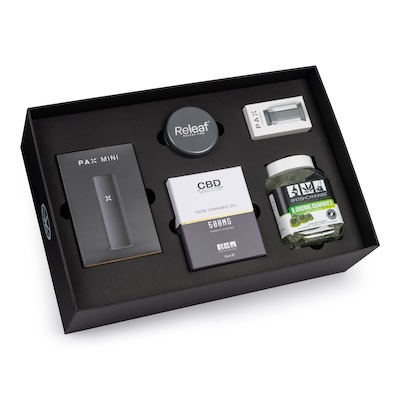
What forms of Releaf medical cannabis can be prescribed for GORD?

If you are eligible to receive medical cannabis treatment, there are several forms it may be prescribed to you in, depending on the method of administration your consultant considers most suitable. 

Here at Releaf, we can provide medical cannabis in the following formats:

  • oils

  • capsules

  • pastilles

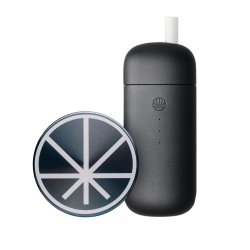
  • vaporised dried flower

  • THC vapes

For more information on these individual forms of treatment, head over to our products page. 

Alternatively, our knowledge hub contains detailed answers to a number of related questions, including the different types of medical cannabis strains available. 

Am I eligible for UK medical cannabis treatment for GORD?

Your eligibility for a medical cannabis prescription will vary depending on your symptoms, medical history and diagnosis. 

You can also only be approved for a medical cannabis prescription by a CQC-regulated private clinic, like us at Releaf.

To see whether you qualify for treatment for GORD specifically, here’s the eligibility criteria you’ll need to meet: 


Eligibility criteria

Further details

GORD diagnosis

A doctor or medical specialist will need to have diagnosed you with GORD as a result of your associated symptoms 

Previous treatment use

You will need to have tried at least two conventional treatments that have failed to provide adequate relief for your symptoms, or caused unwanted side effects

Pregnancy and breastfeeding

You will not be eligible for a medical cannabis prescription if you are either pregnant or breastfeeding

Other diagnoses (such as bipolar, psychosis or schizophrenia)

You will not be eligible for a medical cannabis prescription if you have been diagnosed with psychosis, bipolar or schizophrenia

Detailed medical history

A full review of your existing medical history will be required before your initial consultation


Looking for a quick and easy way to see whether you’re eligible? Check out our medical cannabis eligibility checker. It's free, takes 30 seconds to fill out and could help you find the relief you’re after. 

FAQs on medical cannabis for GORD

Keen to learn more about GORD and medical cannabis? Here are some of the questions consultants are often asked about by both prospective and existing patients. 

Can medical cannabis help with oesophageal pain even if it does not stop the reflux itself?

Possibly. 

The ECS plays an important role in how we perceive pain, so medical cannabis may help to alleviate symptoms of oesophageal pain when taken under clinical guidance. 

In fact, this has been briefly shown in research, with one small study showing that cannabinoids raised the pain threshold for patients when oesophageal sensitivity tests were performed. This wasn’t studied specifically in GORD patients, though. 

Other evidence remains fairly limited too, so you should speak to one of our consultants for tailored advice. 

Can medical cannabis help with the stress and anxiety that worsen my GORD?

Potentially. Living with stress and feelings of anxiety can be a risk factor for acid reflux, whereas having a GORD diagnosis can make you feel stressed and anxious. So, it’s a bit of a catch-22.

Fortunately, medical cannabis has been shown to help relieve symptoms of anxiety and stress in various studies. 

Further research is still needed to understand the link with anxiety in GORD specifically though, and any decision regarding your treatment should be made by working with your consultant. 

I am already taking a PPI and my GORD is still not controlled. Can I be prescribed medical cannabis as well?

Like any form of prescription medicine, medical cannabis may interact with other medications, including those recommended as first-line treatments for GORD. So, this is a question your consultant would need to answer.

Generally speaking, medical cannabis is only considered once you’ve tried another form of conventional treatment. 

So, the fact that you’re not finding relief from taking a PPI may make you eligible to explore it as an option to take as part of your existing treatment plan. 

What should I do if my GORD symptoms get worse after starting medical cannabis?

Make sure to talk to your prescribing consultant as soon as possible. 

Since certain medical cannabis strains can worsen reflux in some patients, your treatment will need to be monitored closely. 

Following your conversation with them, your clinician may adjust your recommended dose, ratio of cannabinoids, method of administration or stop your treatment altogether.

Which medical cannabis formats tend to work best for GORD?

There's no definitive answer, as the research remains limited and responses will vary from patient to patient. 

That said, non-inhaled options like oils may prove more effective at alleviating acid reflux, since the inhaled options have been shown to potentially increase the pressure on the LOS and worsen symptoms. 

Releaf - let's rethink healthcare